Climate Change and New York City’s Housing Stock
Samuel SteinOksana MironovaIziah ThompsonYvonne PeñaBrianna Soleyn
New York City faces two existential crises: an out-of-control housing market, with prices entirely divorced from most New Yorkers’ economic capacities; and rising temperatures and tides from climate change, which are making parts of the city increasingly unlivable and are presenting dangers to New Yorkers everywhere.
These two crises are not just parallel but intertwined: housing is becoming more expensive and less habitable in part because of climate change, and residential buildings are a major source of greenhouse gas emissions that contribute directly to climate change. As extreme weather events become more frequent and severe, these risks are already shaping where and how New Yorkers can live.
In this series of briefs, we survey the impacts of climate change—particularly flooding and extreme heat—on the city’s housing stock.
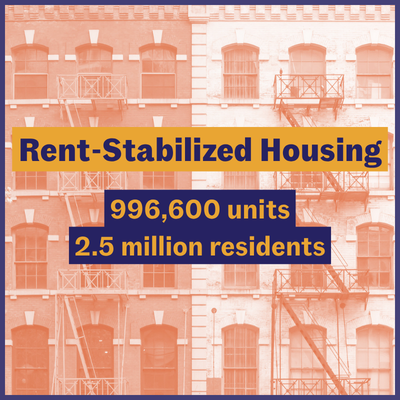
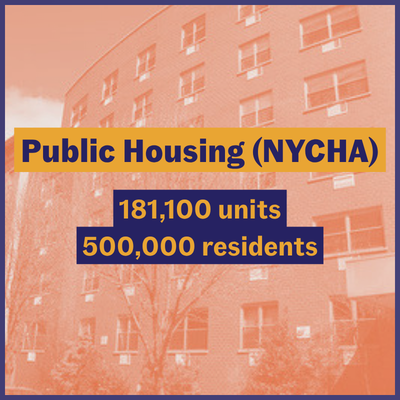
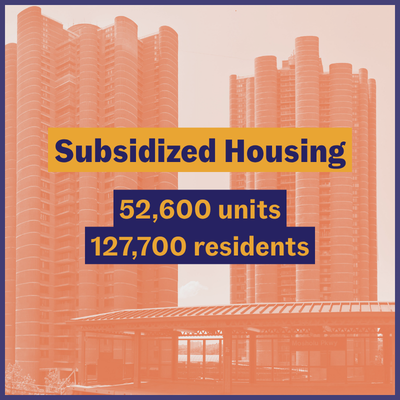
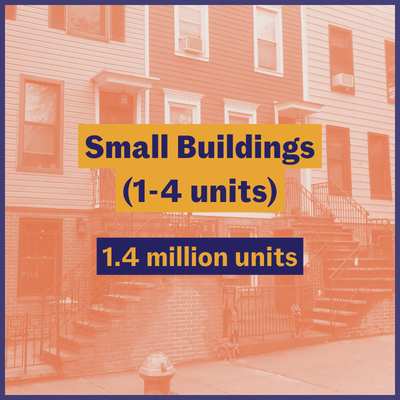
We also highlight the strategies needed to protect residents and preserve housing stability in the kinds of housing most low-income New Yorkers call home: rent-stabilized apartments, public housing, subsidized housing, and small (1–4 housing units) buildings—including basement apartments. Based on each housing type's location, physical structure, and policy context, we outline the distinct risks and opportunities.
Explore climate risks by housing type