“It’s like I’m still in a prison because of my criminal background.”
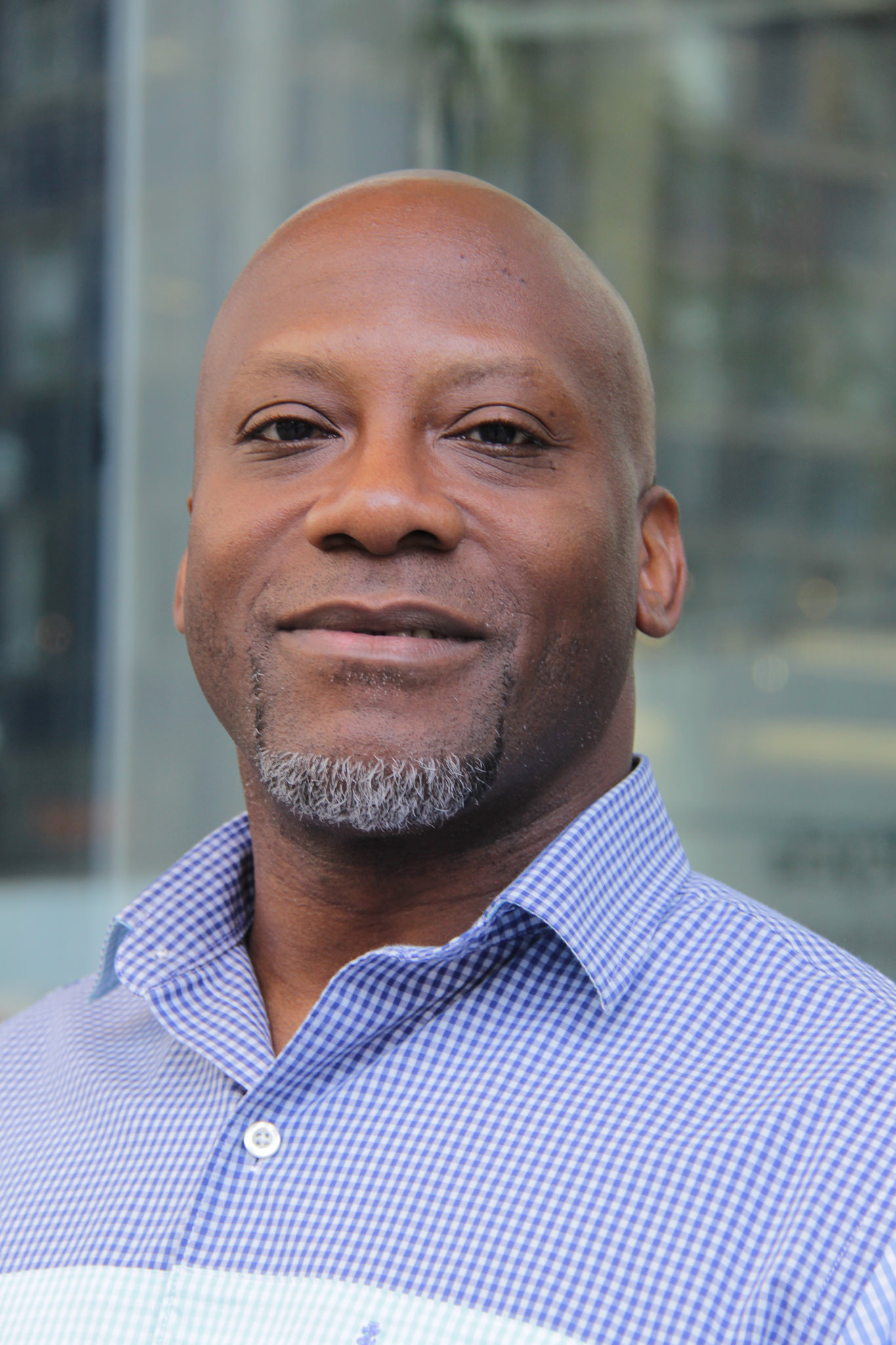
Brian P. came home from prison in 2010 and set off to get his life back together and find work. He’d done everything right, including completing his sentence in a rigorous alternative to incarceration program available to those with non-violent histories, connecting with reentry organizations for help once released, completing a rehab program, and working with CSS’s Next Door Project to apply for a Certificate of Good Conduct and to be sure his criminal record was accurate.
Brian had studied to be a paralegal and he was excited when he landed an interview at a law firm. “They asked if I had a record, I admitted I did, and they took the application.”
When Brian called back, he was told he’d been hired and he was elated. But that feeling didn’t last long.
“I had that job all of five minutes,” Brian says. A supervisor at the law firm learned that Brian’s convictions were related to larceny, the job offer was instantly rescinded. Says Brian, “That’s when I realized, I’ve got a problem here.”
He persevered, applying to be a driver for a pizza parlor. “I got that interview but failed the background check. I was facing barriers everywhere I went.”
But Brian kept at it, he was a substance abuse counselor for a time, but while the work was rewarding it was overwhelming and challenged his own sobriety. He worked at a friend’s barber shop, but when that business closed he again found himself unemployed. “Going back to the street – that’s not an option for me,” says Brian. “I don’t care how difficult things get.”
“It’s like I’m still in a prison because of my criminal background.”
“I’ve been able to change my life—really seriously make changes. So why should I be constantly reminded of my record every time I apply for a job, or look for an apartment?” says Brian. He strongly supports the campaign to bring an expungement law to New York State. “Without expungement, I’m always under the shadow of the mistakes I have made.”
Speaking of his experience as a counselor, he says: “I would tell guys, ‘you’re an ex offender. And the important part of that is EX—it’s in the past, over.”
For Brian, expungement would make that a reality for him and thousands of others. With such a law in place, he says, “You have a chance to wipe your slate clean. Now, the rest of your life is on you.”
What does Clean Slate do?
The Clean Slate Act will automatically seal conviction records for most civil purposes three years after your last misdemeanor conviction and eight years after your last felony conviction. The time starts running on the day you are sentenced or released from incarceration, whichever is later. During that time, you cannot have any other criminal convictions.
Once the three- or eight-year period expires, the government will automatically seal the conviction if you:
- Currently have no pending criminal charges; and
- Have completed any probation or parole for that conviction
What does it mean to have your record sealed?
That means your convictions should not appear on a background check when you are trying to obtain housing, education, and most jobs. Sealing does not expunge, or destroy, the records. Sealed convictions will be visible to your lawyer, prosecutors, and the court if you are arrested again.
How long is the waiting period?
Driving While Ability Impaired by Alcohol (DWAI) infraction: 3 years
Misdemeanors: 3 years from sentencing or release from incarceration, whichever is later
Felonies: 8 years from sentencing or release from incarceration, whichever is later
What happens if you are convicted of a new crime during your waiting period?
If you are convicted of another misdemeanor or felony during the waiting period, the time resets and you have to wait another three or eight years, respectively. Traffic infractions and violations (like disorderly conduct) are not criminal convictions, and they will not affect the time calculation.
What happens if I get a violation while on probation or parole?
Under Clean Slate, probation or parole revocations resulting in reincarceration will restart the waiting period. Your time will start over once you are released again. But if the violation does not lead to a revocation resulting in reincarceration, it will not affect the time calculation.
What happens if you are convicted of a new crime after an old conviction is sealed?
Once a case is sealed under Clean Slate, it won’t be unsealed if you are arrested or convicted again in the future.
Does Clean Slate cover all types of convictions?
The Clean Slate Act applies to one traffic infraction (Driving While Ability Impaired by Alcohol) and all misdemeanor and felony convictions, except for:
- Out-of-state or federal convictions
- Sex offenses
- Class A felonies, except for drug possession and sale.
Are there any jobs where my sealed convictions can be accessed?
Yes, there are certain types of jobs where someone will be able to review your convictions, even if the conviction is sealed under Clean Slate. These employment exceptions include:
- Entities that are allowed to run fingerprint-based background checks for work with vulnerable populations like children, the elderly, and people with disabilities
- Entities that are mandated by law to consider sealed records or run fingerprint-based background checks;
- The New York State Education Department (NYSED) for purposes including hiring in public, private, and religious schools, disciplinary proceedings, and licensing;
- Private transportation companies like Uber and Lyft; and
- Police and peace officers, which include corrections officers and some armed security guards employed by the government.
Who else will be able to access sealed records?
Police, prosecutors, defense counsel, judges, and court officials will continue to have access to sealed records. Biometric information, including DNA and fingerprints, will remain accessible for law enforcement and prosecutors.
Local, state, and federal agencies conducting background checks for firearm licenses.
The Department of Motor Vehicles (DMV) will have access to driving-related sealed records.
When will convictions start to get sealed under Clean Slate?
The Clean Slate Act will become “effective” on November 16, 2024, one year after the Governor signed the bill into law. Once effective, the courts and various agencies will have up to three years to seal eligible conviction records. Every eligible conviction must be sealed by November 2027.
Is there a limit to how many convictions can be sealed?
No, there is no limit on the number of convictions that may be sealed.
Do I need to do anything to get my convictions sealed?
No, there is nothing you need to do. You just need to meet the basic eligibility requirements. That means if you complete your waiting periods without getting a new conviction, complete your community supervision, and don’t have any pending charges, then sealing under Clean Slate will happen automatically. No application will be necessary.
How do I find out what's on my record?
You can obtain a copy of your New York State rap sheet by following the instructions here, or contacting your local legal services organization for assistance. We anticipate that as the Clean Slate Act is implemented, courts will create an easier way to check what has been sealed on your record.
Will sealing help with immigration?
Unfortunately, Clean Slate does not have any impact on immigration. If you are a non-citizen with a conviction record, you should consult an immigration attorney before applying for a change in immigration status or traveling internationally.
Once my convictions are sealed, can I apply for a firearm?
Anyone evaluating you for a gun license will be able to see all of your arrests and convictions, even if they are sealed. State and federal laws regarding restoration of firearms rights are complicated, and it may be helpful to consult with an attorney on this subject.
What if my conviction is supposed to be sealed, but wasn't?
The Clean Slate Act requires the state to create a process to notify them of cases that should be sealed. We won’t know what that process is until the law becomes effective in November 2024. You can also consult an attorney about a possible lawsuit for damages under the new law.
I'm still on parole after eight years post-release from a felony conviction. Will my record be automatically sealed when I successfully complete parole?
The conviction for which you are serving parole won’t be sealed until you are discharged from parole. If your parole discharge date is more than eight years after you were released from incarceration, your conviction will be eligible for sealing on the date you are discharged.
Does Clean Slate replace the older, application-based sealing law?
No, the application-based process under CPL 160.59 will still be a valuable sealing option for people who qualify.
I have a felony. What does the timeline look like for me?
A felony is sealed eight years after you were sentenced or last released from incarceration, whichever is later.
Example 1:
You were convicted of a felony and incarcerated in 2020. You are released from prison in 2025. Your waiting period starts the day you are released. You then have no parole violations resulting in re-incarceration, and successfully complete parole in 2030. If you have no new convictions or pending criminal charges, your felony will automatically seal in 2033, eight years from 2025.
Example 2:
You were convicted of a felony and sentenced to five years of probation in 2020. You successfully complete probation with no revocations resulting in re-incarceration. If you have no new convictions or pending charges, your felony will automatically seal in 2028.
Example 3:
You were sentenced for a felony in 2020 and a misdemeanor in 2024. You were never incarcerated. Your felony would have sealed in 2028 if you had not been convicted of a misdemeanor in 2024. Instead, your waiting period starts over when you are sentenced for the misdemeanor. The misdemeanor will seal in 2027, but the felony will not seal until 2032, eight years after your misdemeanor.
Example 4:
You were convicted of a felony and incarcerated in 2018. You are first released on parole in 2023, but probation is revoked and you are subsequently re-incarcerated in 2025. You are then released in 2026, do not incur any new parole violations or criminal convictions, and successfully complete parole. Your felony would have been sealed in 2026 if you had not been reincarcerated for the parole revocation. Instead, your eight-year waiting period starts over in 2026 when you are released, and your felony will now seal in 2034.
I have a misdemeanor. What does the timeline look like for me?
A misdemeanor is sealed three years after you were sentenced or released from incarceration, whichever is later.
Example 1:
You are convicted of a misdemeanor and sentenced to three years of probation in 2025. You do well on probation and are discharged after two years. If you have no new convictions or pending charges, your misdemeanor will automatically seal in 2028.
Example 2:
You are convicted of a misdemeanor and sentenced to one year of jail in 2025. You are released in 2026. If you have no new convictions or pending charges, your misdemeanor will automatically seal in 2029.